2xEDGE Logo

Cedar Garden Edging: When It's Worth It and How to Make It Last
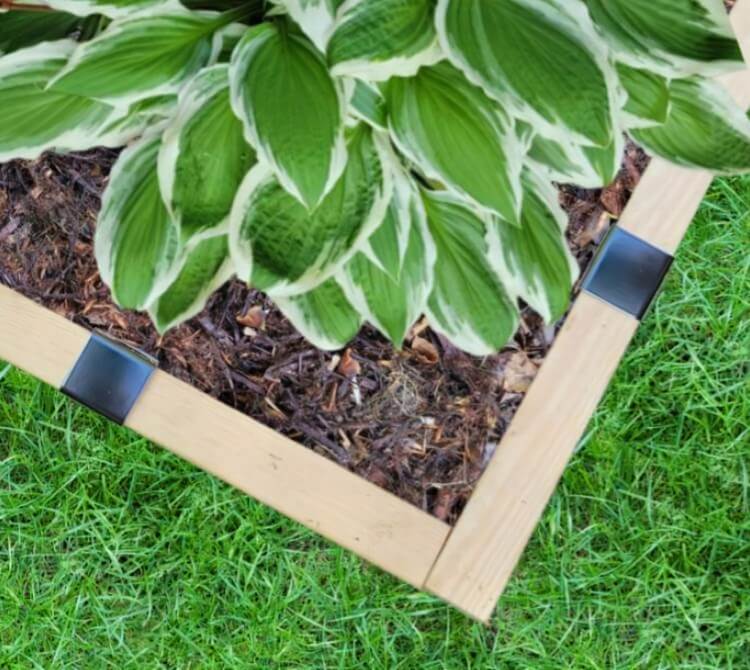
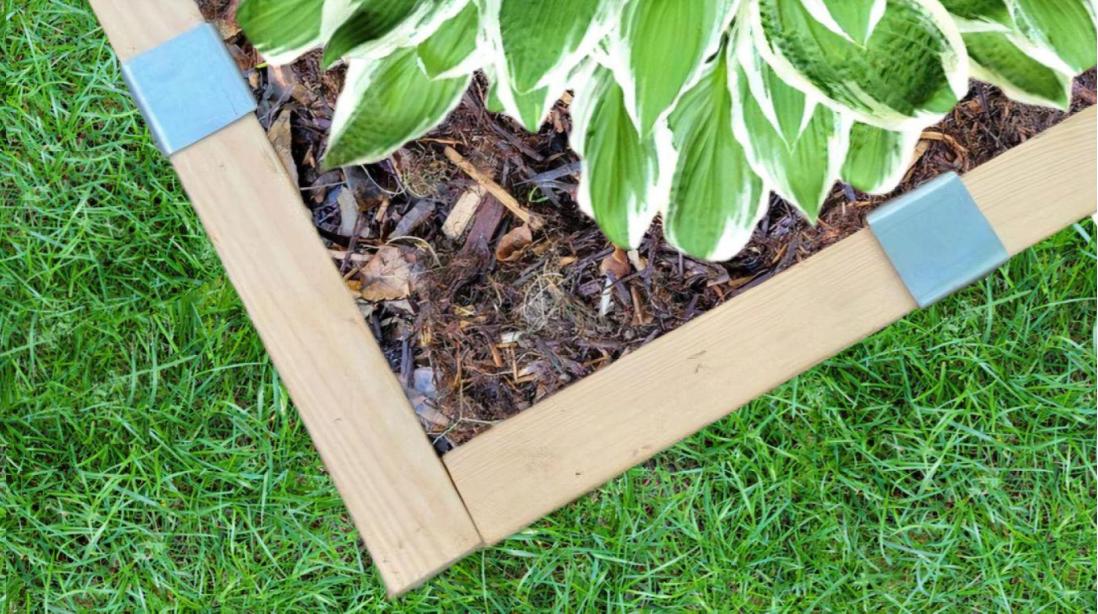
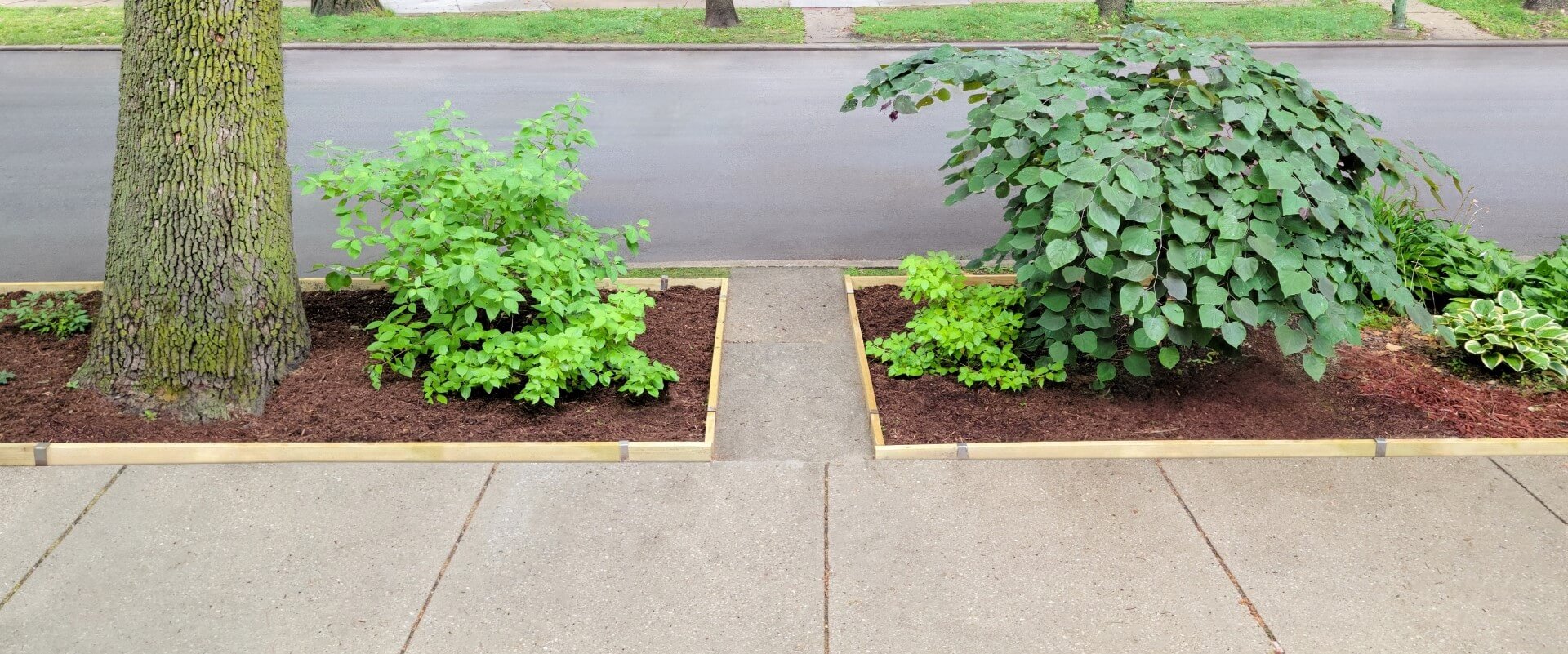
2xEDGE Satin Black Staples installed on treated lumber to create a raised garden bed with hosta.

Turn Cedar Lumber Into Long-Lasting Garden Edging

Use 2xEDGE (two-by edge) Staples to transform dimensional cedar lumber into clean, long-lasting garden edging. Cedar is naturally rot resistant, making it a popular choice for landscape borders - especially in areas where moisture is a concern or chemical treatments are undesirable.

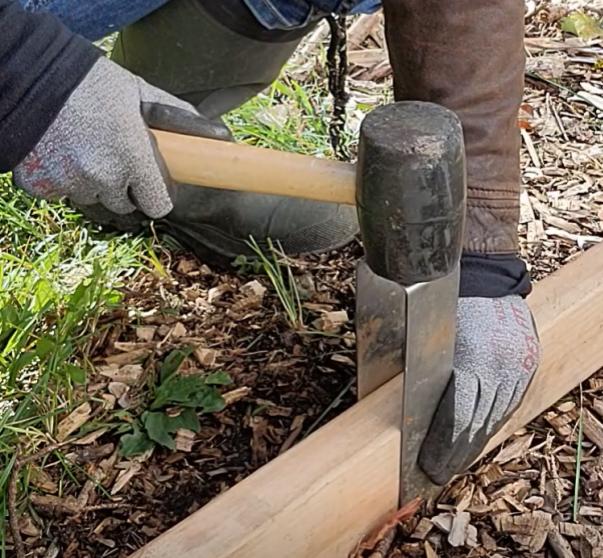
A person using a rubber mallet to install a Satin Black 2xEDGE Staple on a 2x4 to create garden edging.

Right-Sized Cedar Edging That Lasts

Choose cedar lumber up to 2x6 that is right-sized for your project. Cedar is naturally rot resistant, but how it is installed still plays a major role in how long it lasts.

Installing cedar edging does not require:

✔ nails
✔ screws
✔ trench digging

2xEDGE Staples wrap around the lumber instead of penetrating it, helping keep cedar boards intact. The lumber is installed to the ground rather than buried in it, which allows the wood to dry out between wet periods.

Fewer holes and reduced moisture exposure help cedar edging maintain its strength and appearance for years instead of seasons.
SHOP NOW
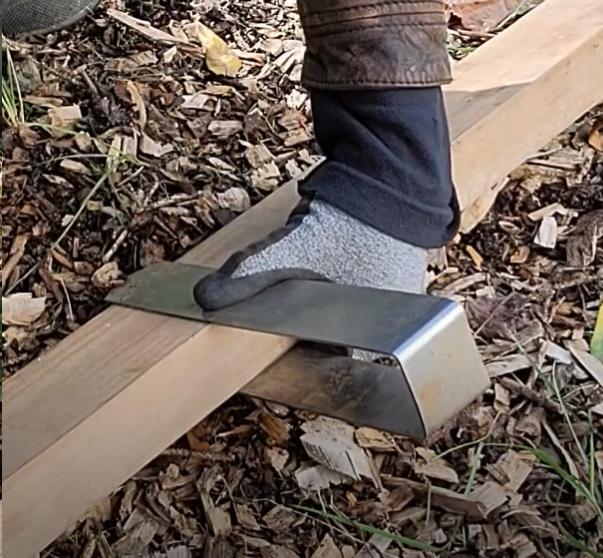
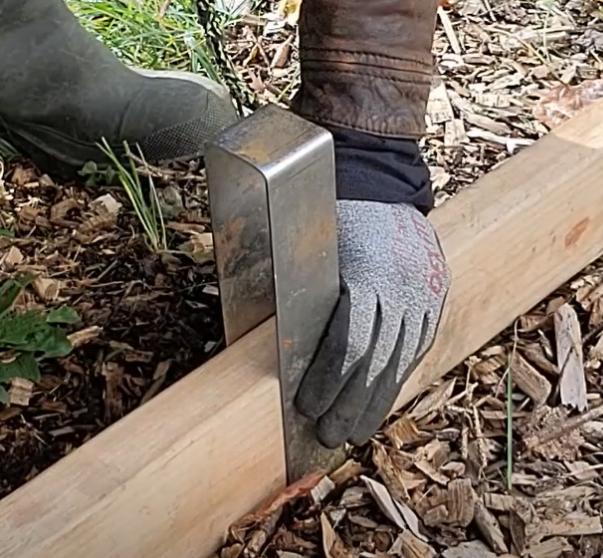
    • The correct way to grip a 2xEDGE Staple that's been placed over 2x4 lumber with a focus on where to place the fingers.

      STEP 1

      Place your 2x4 lumber directly on the ground.

    • The correct way to grip a 2xEDGE Staple that's been placed over 2x4 lumber with a focus on where to place the thumb.

      STEP 2

      Position a 2xEDGE Staple over the lumber.

    • A person striking the top of a 2xEDGE Staple with a mallet to install 2x4 lumber as landscape edging.

      STEP 3

      Tap the staple into place using a rubber mallet.
    • 2xEDGE Staples are made in the USA out of 16 gauge raw steel (illustration).

      16 gauge steel. Made in the USA.

      All of our staples are made in the US Midwest out of 16 gauge steel, an endlessly recyclable material. We offer coated and uncoated options - both are durable and long lasting.

    • Rustic Steel 2xEDGE Staples for garden edging and borders

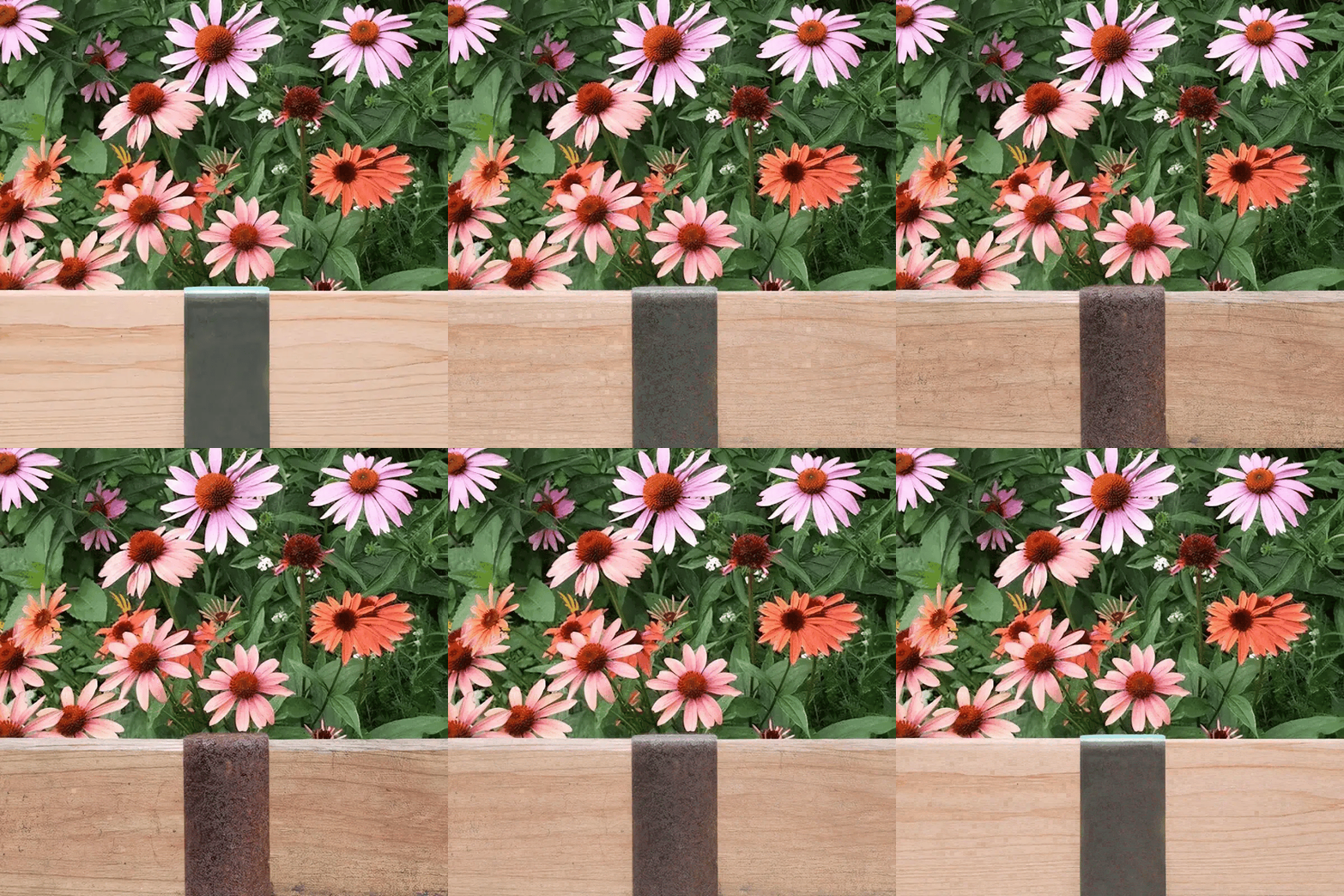
      Rustic Steel (uncoated)

      The original 2xEDGE Staple is made with raw steel and will gain a rust patina, aging gracefully in your landscape. Add rustic character to your outdoor spaces with the staple that gets better over time.

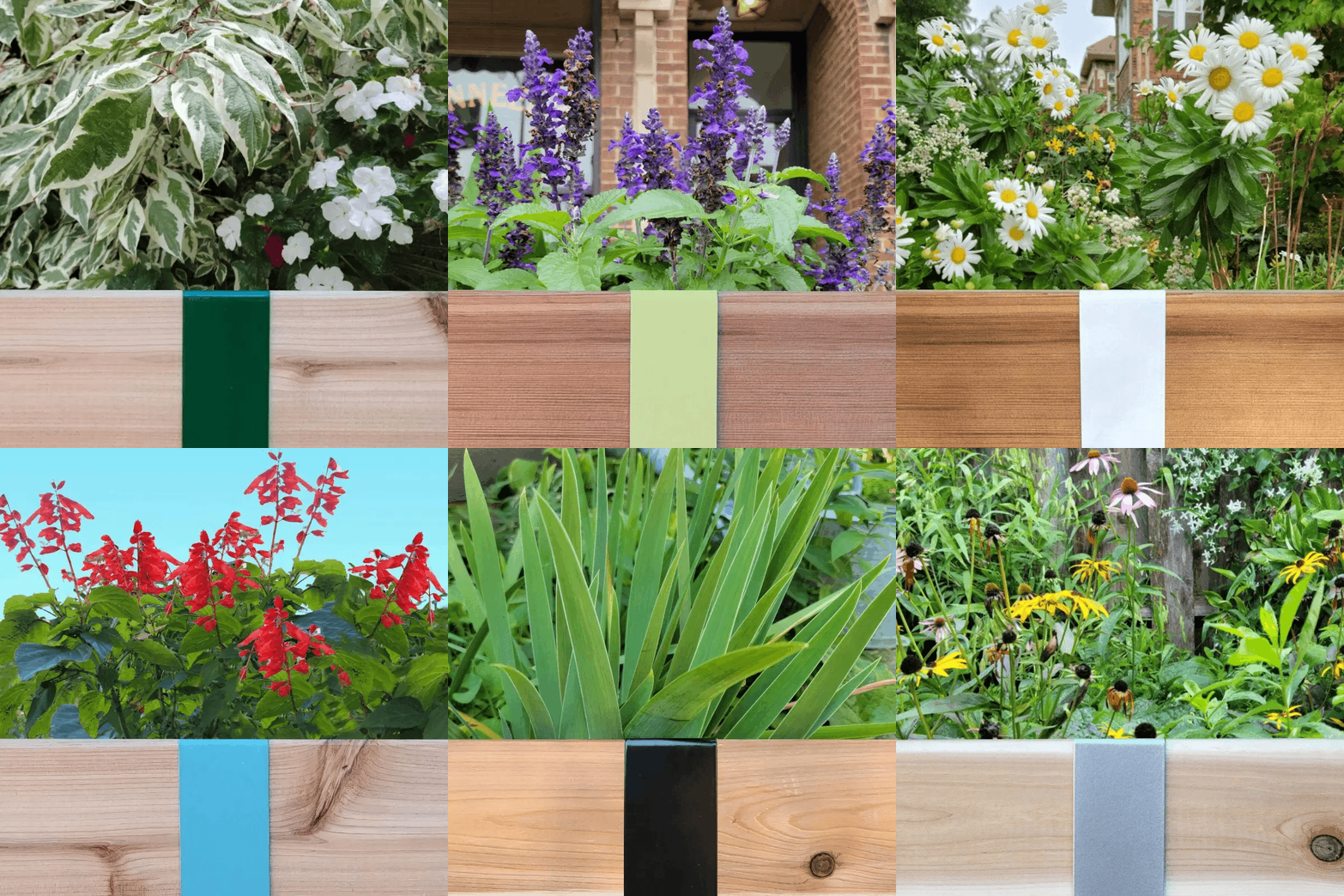
    • Animated graphic that rotates through 2xEDGE powder coated staple options.

      Powder coated colors & tones

      Our powder coated staples resist rust and are UV-rated. Eight colors and tones to choose from. Add a pop of color to your landscape and garden design.
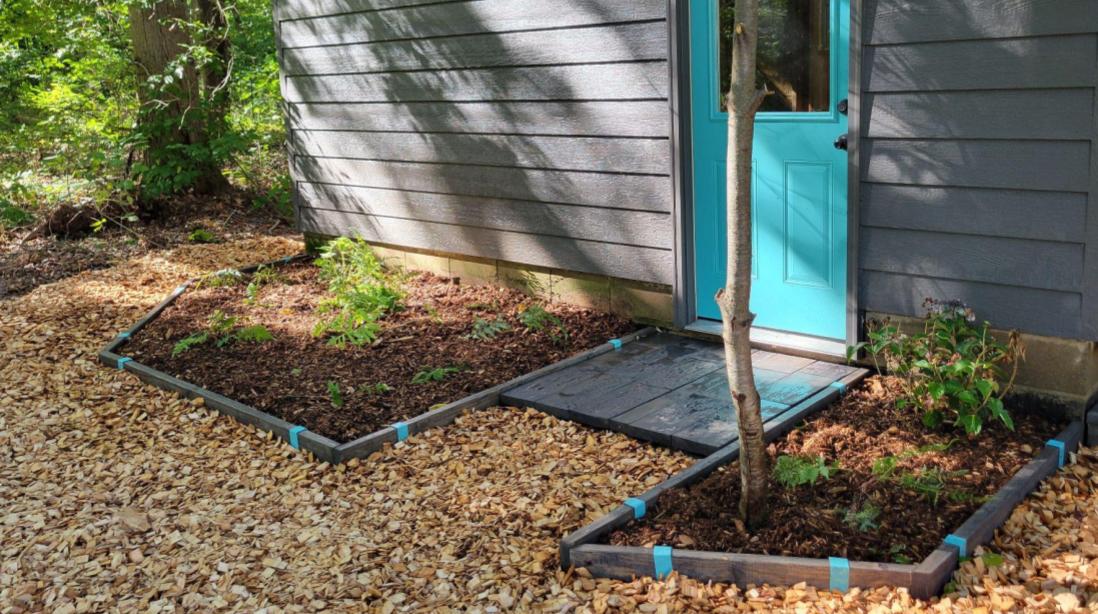
        • Photo of an entryway with garden beds edged with 2x4 lumber stained dark walnut and Robins Egg Blue 2xEDGE Staples.

          1. Garden edging you can customize.

          2xEDGE works with a wide range of lumber types, including cedar. Use off-the-shelf boards or cut cedar to your exact dimensions to fit your layout and design.

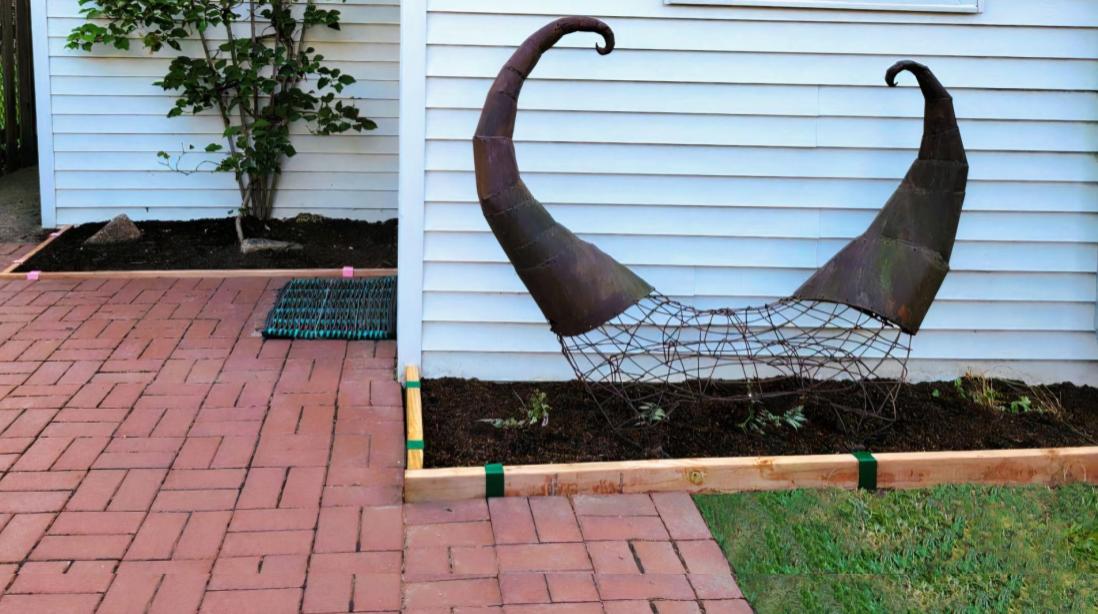
        • A red brick patio with garden beds edged with 2x4 pressure treated lumber installed with Rose Pink 2xEDGE Staples and Forest Green 2xEDGE Staples.

          2. Edging that lasts longer.

          2xEDGE wraps around the lumber instead of penetrating it, helping keep cedar boards intact and free of holes that can weaken the wood over time.

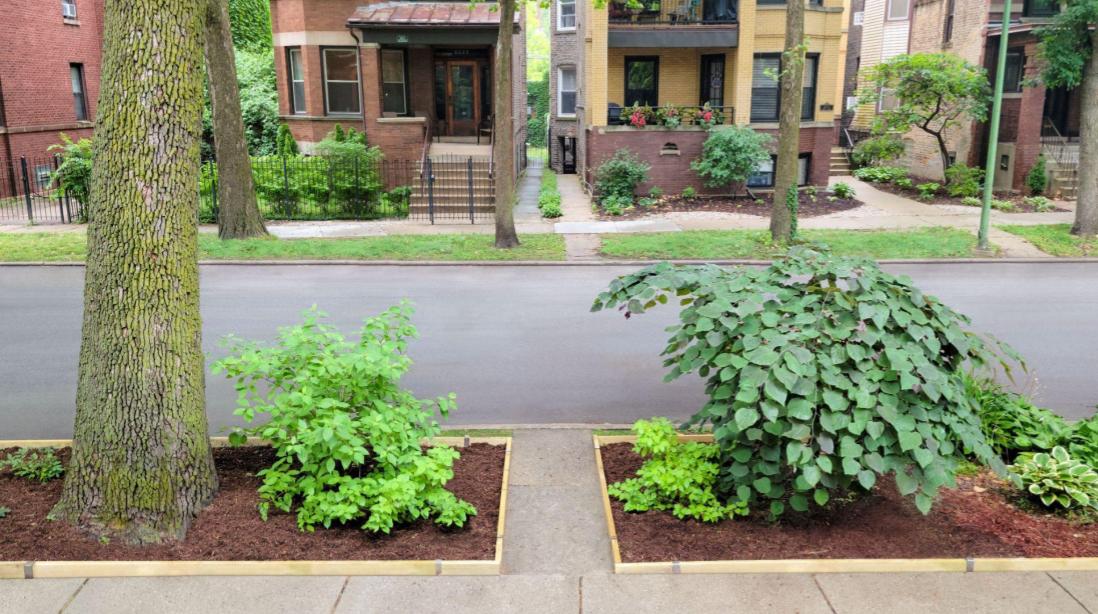
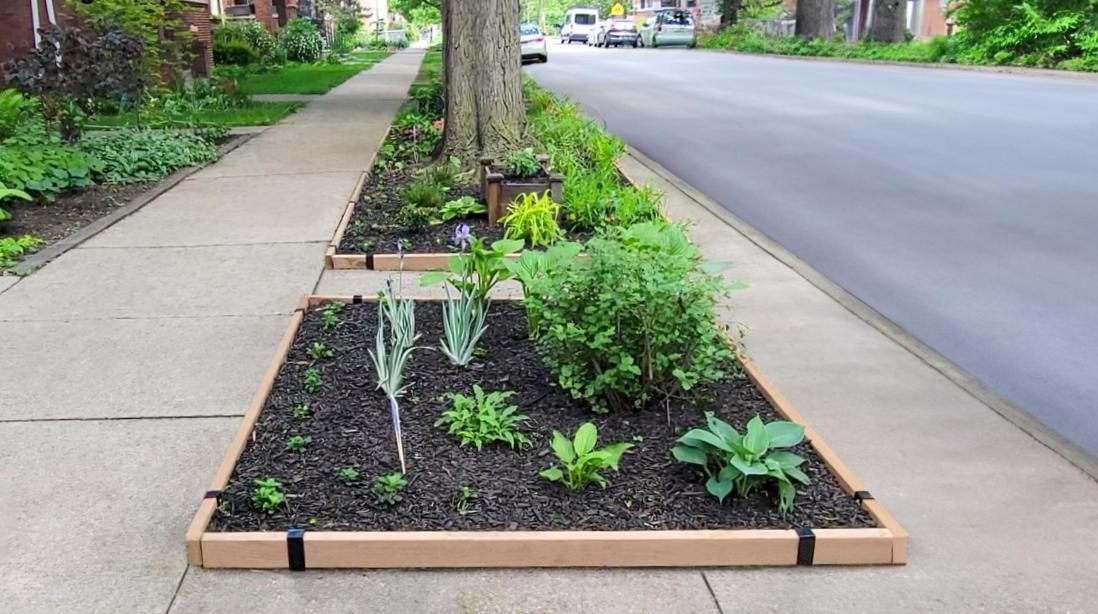
        • A hellstrip garden on an urban street edged with 2x4 lumber and Satin Black 2xEDGE Staples.

          3. Edging that stays in place.

          The wide staple design provides more surface contact with the ground than a standard landscape nail, helping cedar edging resist gradual movement.

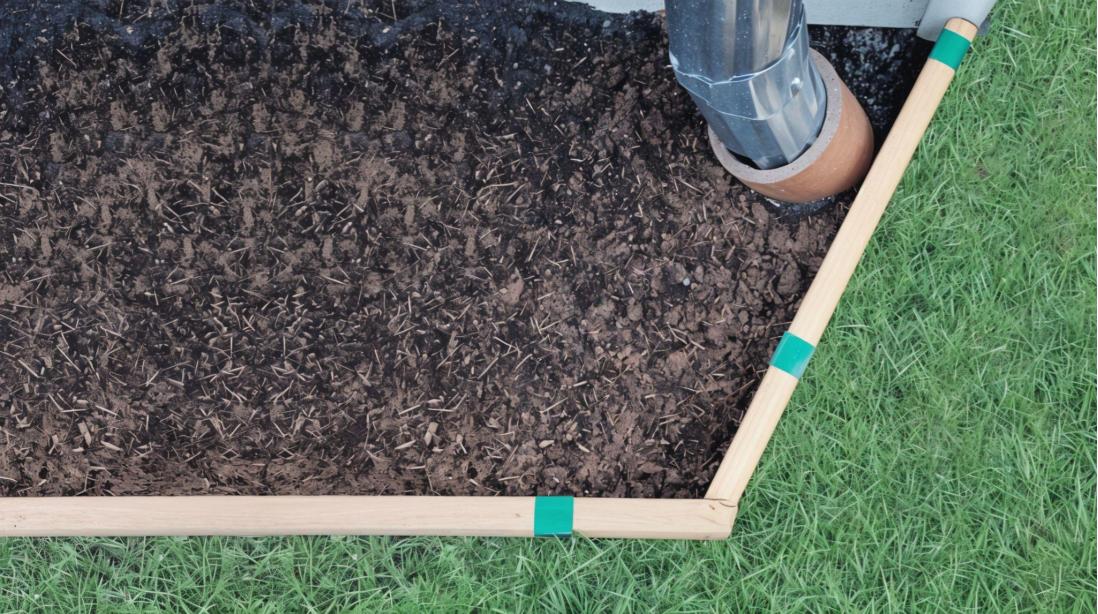
        • Lawn edging created with 2x4 pressure treated lumber and Forest Green 2xEDGE Staples.

          4. Edging that stays upright.

          By straddling the board and anchoring it on both sides, 2xEDGE provides greater stability and helps cedar edging remain vertical.

        • A curbside garden on a city street edged with 2x4 lumber and Rustic Steel 2xEDGE Staples.

          5. Fast, straightforward installation.

          Installation requires only a rubber mallet. No digging and no drilling simplifies the process and reduces disruption to surrounding soil.

        • A garden bed with a variegated hosta and mulch separated from lawn by edging made of 2x4 lumber and Rustic Steel 2xEDGE Staples.

          6. Easy to extend & repair.

          Each board is secured independently, making it easy to add new sections or replace individual pieces of cedar edging as needed.

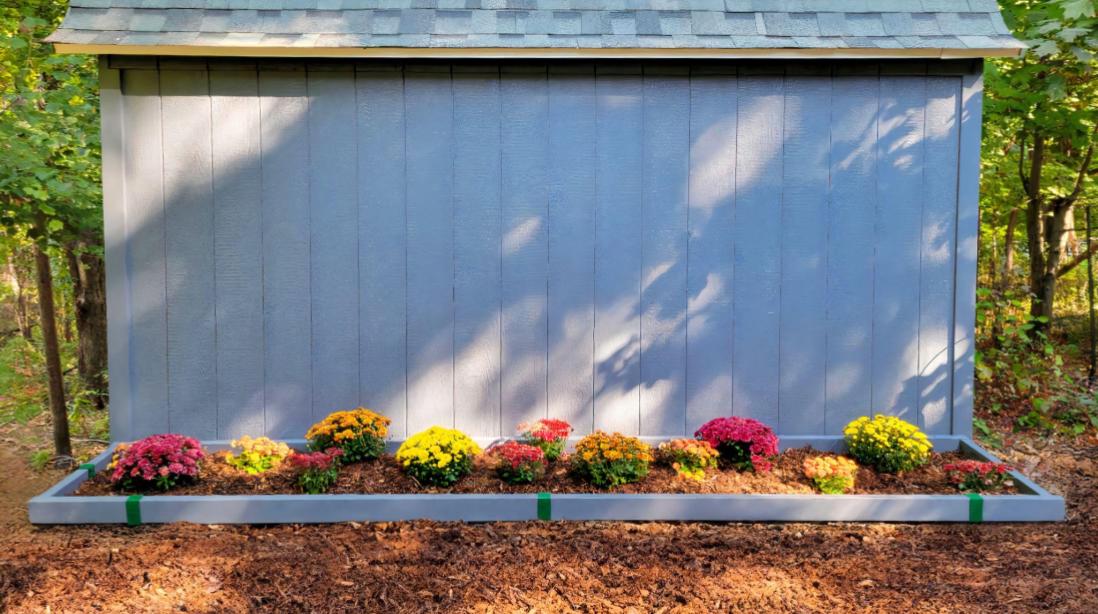
        • A flower bed installed on the side of a shed edged with painted 2x4 lumber and Forest Green 2xEDGE Staples.

          7. Easy to reposition & reuse.

          Because cedar boards are installed above grade rather than trenched in, edging can be adjusted or moved without leaving trenches behind.

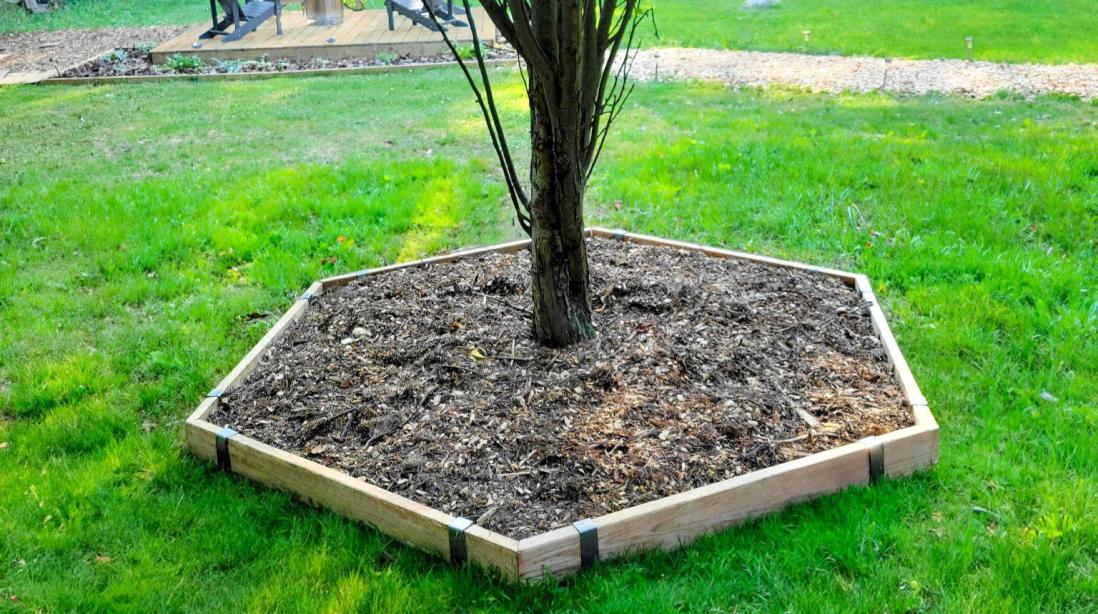
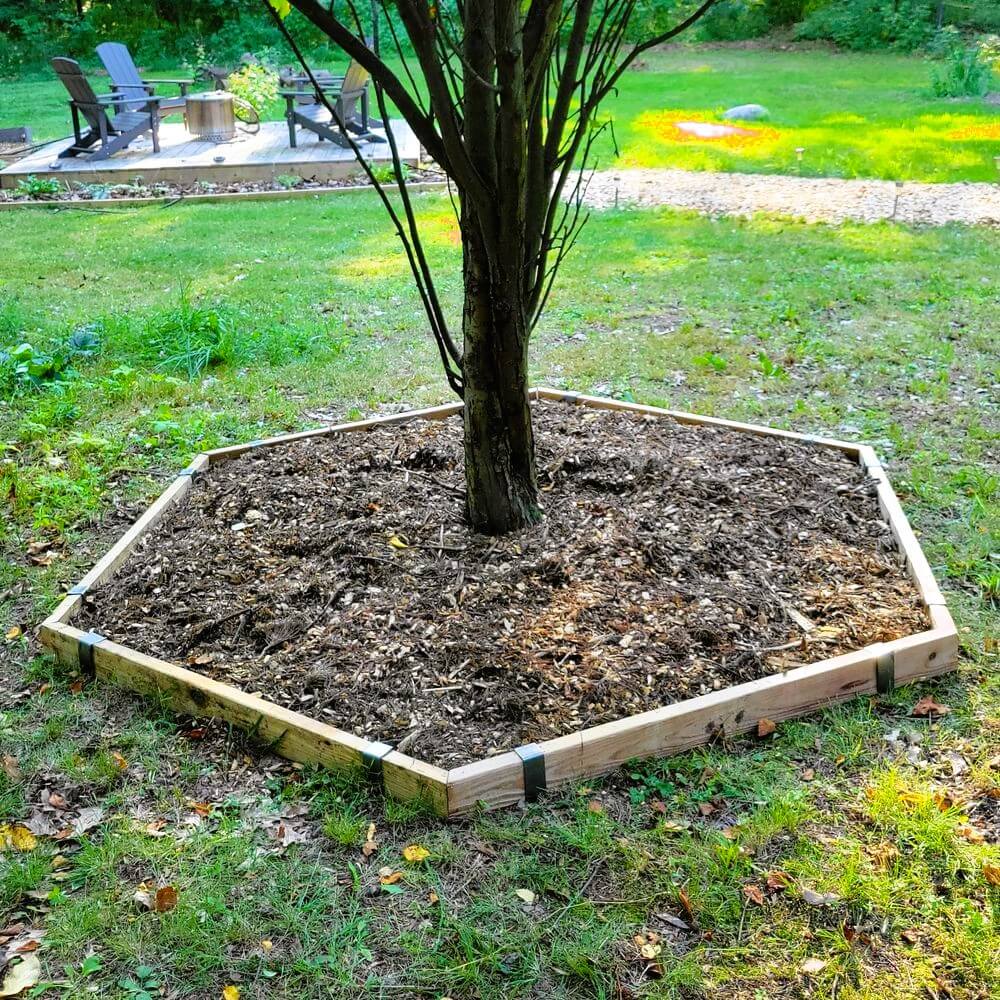
        • A backyard with a tree edged with 2x4 lumber and Rustic Steel 2xEDGE Staples to create a hexagon shaped tree ring.

          8. Works well with natural wood choices

          2xEDGE pairs naturally with cedar and other wood options, allowing gardeners to choose materials that align with their aesthetic and environmental preferences.

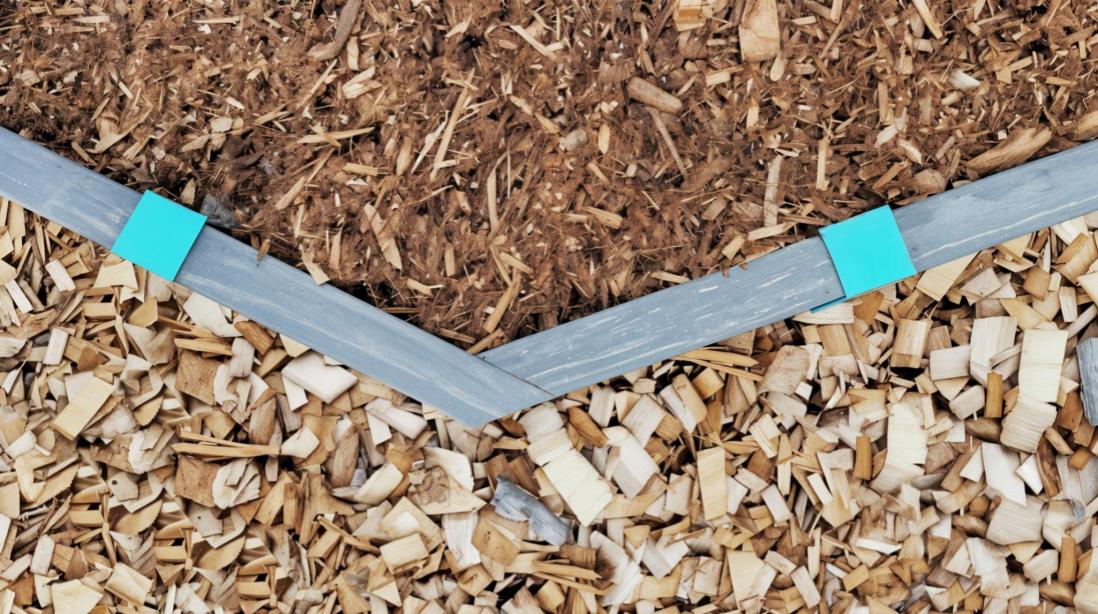
        • Wood landscape edging stained a dark walnut and installed to the ground with Robins Egg Blue 2xEDGE Staples to separate cedar mulch and wood chips.

          9. Provides practical edging height

          Installing cedar boards upright above ground provides up to 6 inches of edging height, while helping the wood dry between wet periods.

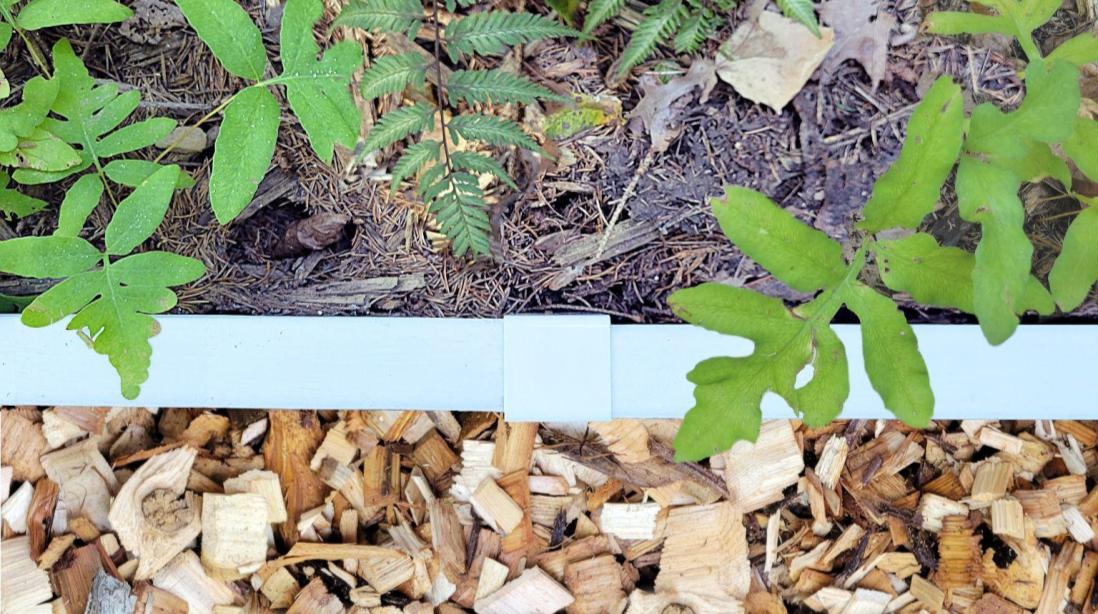
        • Landscape edging made of 2x4 lumber stained white and Picket Fence White 2xEDGE Staples to separate a fern garden from a wood chip path.

          10. Clean, streamlined edging profile

          Using dimensional lumber allows for a substantial yet refined edging profile that differs from bulkier options like landscape timbers or railroad ties.
        Cedar Lumber Makes Great Garden Edging

        Naturally rot resistant - Cedar contains natural oils that help it resist decay, making it a popular choice for garden edging, especially in damp environments.

        Readily available - Cedar lumber is widely available at many lumber yards and home improvement stores, particularly in standard two-by sizes suitable for edging.

        Available in multiple sizes - Cedar boards are commonly stocked in a range of widths and lengths, allowing you to choose an edging height that fits your design.

        Attractive aging and finish options - Cedar can be left unfinished to weather naturally over time, or sealed or stained to maintain its color and appearance.

        Suitable for garden and planting areas - Cedar is often chosen for garden edging because it does not rely on chemical preservatives, making it a preferred option around planting beds.

        Clean, streamlined profile - When installed on edge, cedar provides a refined alternative to bulkier wood edging options like landscape timbers or railroad ties.
        When Cedar Garden Edging Works - and When It Does Not
        Cedar is a popular choice for garden edging because of its natural resistance to decay and its attractive appearance. However, like any wood material, it performs best under certain conditions and can fall short under others. Understanding these trade-offs helps you decide whether cedar is the right choice for your project.

        When Cedar Garden Edging Works Well

        You want a naturally rot-resistant wood. Cedar contains natural oils that help it resist decay, making it a good option for garden edging without relying on chemical treatments.

        The edging is installed above grade. Cedar performs best when it is not buried in soil and can dry out between rain or irrigation cycles.

        Appearance matters. Many gardeners choose cedar for its color and grain. It can be left unfinished to weather naturally or sealed to maintain its original look.

        You are working in damp or variable conditions. Cedar’s natural durability makes it well suited for areas that experience regular moisture, as long as the wood is not constantly saturated.

        You want flexibility for future changes. Installations that allow individual boards to be adjusted or replaced help preserve cedar’s longevity and appearance over time.

        When Cedar Garden Edging Can Be a Poor Fit

        The lumber is buried or installed in a trench. Constant soil contact keeps cedar wet and significantly shortens its lifespan, even though it is more rot resistant than many other woods.

        The wood is weakened by drilled fasteners. Cedar is softer than many lumber options. Screws, nails, or rebar driven through the board can create weak points and moisture pathways that accelerate deterioration.

        The edging is rigidly locked together. Cedar, like all wood, expands and contracts. Forcing boards to act as a single rigid unit can lead to shifting, cracking, or misalignment over time.

        Impact resistance is critical. Because cedar is relatively soft, it can dent or gouge more easily in high-traffic areas or locations where equipment frequently contacts the edging.

        In short, cedar garden edging works best when it is installed above grade, kept structurally intact, and allowed to dry between wet periods. When those conditions are met, cedar can provide long-lasting, attractive garden borders that age gracefully over time.

        Common Questions About Cedar Garden Edging

        Is cedar good for garden edging?

        Yes. Cedar is a popular choice for garden edging because it is naturally rot resistant and performs well in outdoor environments without chemical treatment. It is often chosen for garden borders where longevity, appearance, and material safety are important considerations.

        How long does cedar garden edging last?

        Cedar garden edging can last for many years when it is installed above grade and allowed to dry between wet periods. While cedar resists decay better than many other woods, its lifespan is still influenced by installation method, drainage, and overall moisture exposure.

        Does cedar rot if it is in contact with soil?

        Cedar is more resistant to rot than many wood species, but it can still deteriorate if it is buried or kept constantly wet. Cedar performs best when it is installed above grade rather than trenched into the ground, allowing air circulation and drying between rain or irrigation cycles.

        Is cedar safe to use around garden beds and plants?

        Cedar is commonly used around garden beds because it does not rely on chemical preservatives. Many gardeners prefer cedar edging around planting areas, including vegetable and herb gardens, for this reason.

        Why does cedar sometimes crack, split, or dent?

        Cedar is a relatively soft wood. While this softness makes it easy to work with, it also means cedar can be more susceptible to splitting, denting, or surface damage - especially if fasteners are driven through the board or if the edging is subjected to frequent impact.

        Is cedar worth the extra cost for garden edging?

        Cedar typically costs more than untreated lumber, but many gardeners consider it worth the investment due to its natural rot resistance, appearance, and suitability for garden environments. Whether cedar is worth the added cost depends on your priorities for longevity, aesthetics, and material choice.

        Why does cedar garden edging fail sooner than expected?

        Cedar garden edging most often fails sooner than expected when boards are buried in a trench, kept constantly damp, or weakened by drilled fasteners. Although cedar is naturally rot resistant, prolonged moisture exposure and holes driven through the wood create pathways for water to enter and remain trapped inside the board, accelerating deterioration over time. Cedar performs best when it is installed above grade, kept structurally intact, and allowed to dry between wet periods.

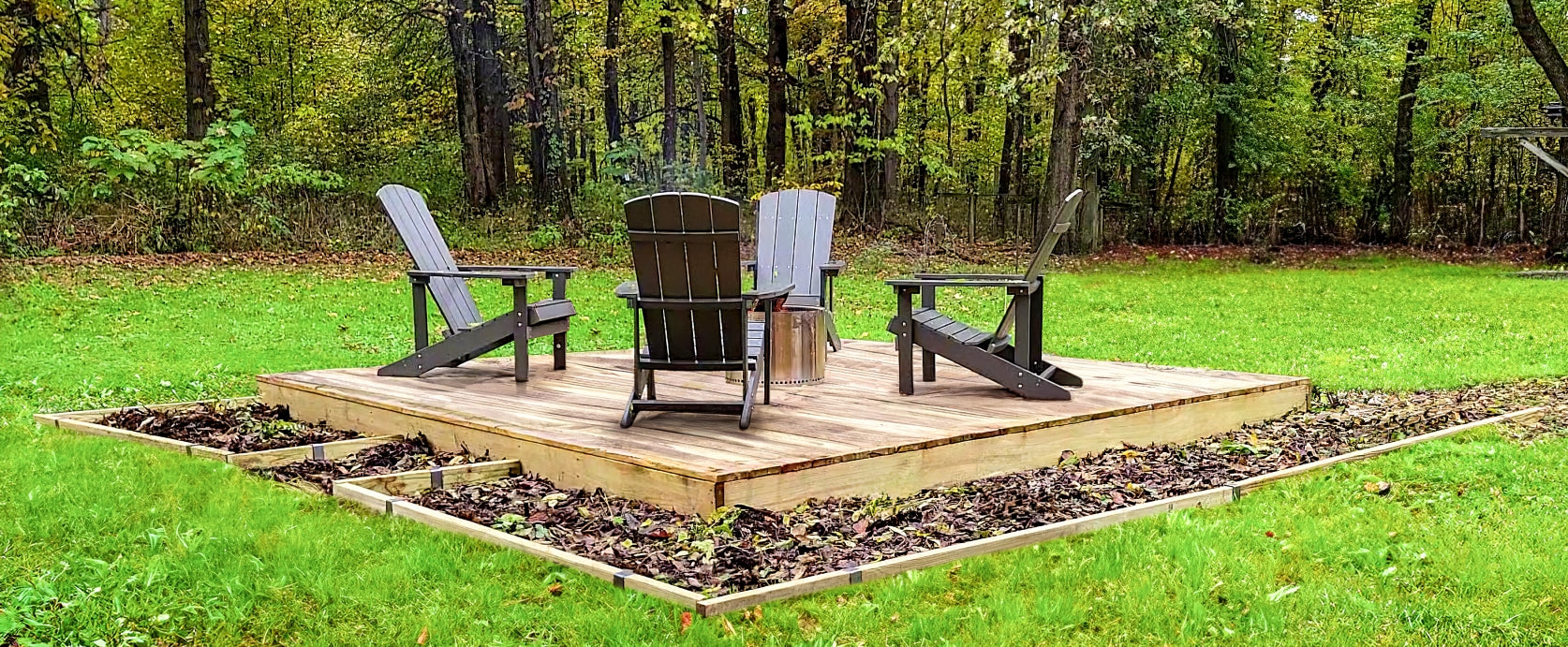
        A hexagon-shaped tree ring made with 2xEDGE Staples and pressure treated 2x4 lumber

        Tackle All of Your Cedar Wood Edging Projects

        ✔ Flower bed borders

        ✔ Garden borders

        ✔ Garden paths

        ✔ Raised garden beds

        ✔ Lawn edging

        ✔ Tree rings

        SHOP NOW

        HELP & SUPPORT

        2xEDGE Staples: Product & Ordering Questions

        What are 2xEDGE Staples made of?

        2xEDGE staples are made in the USA out of 16 gauge steel.

        Where are 2xEDGE Staples manufactured?

        We manufacture our staples in Chicago, Illinois where we've partnered with small, family-owned companies to handle metal fabrication and powder coating.

        What size lumber works with 2xEDGE?

        2xEDGE staples work with common two-by lumber sizes: 2x2, 2x3, 2x4, 2x6.

        What are the dimensions of 2xEDGE Staples?

        Our staples are 1-3/4" wide and 9-1/2" long.

        Does 2xEDGE work with any type of lumber?

        2xEDGE will work with dimensional two-by (2x) lumber that is 1-1/2" thick and up to 5-1/2" high regardless of what the lumber is made of - wood (pressure treated, untreated, cedar, redwoood, etc.), wood composite, or plastic.

        How do I install 2xEDGE Staples?

        Creating landscape edging and garden borders with 2xEDGE requires just one tool - a 16 ounce rubber mallet. No digging or drilling is needed.

        To install you just place lumber on the ground, place a staple over the lumber, and tap the staple into place. That's it.

        Is 2xEDGE sold in brick & mortar stores?

        Currently 2xEDGE staples are only available to purchase online through our store at www.2xedge.com.

        Steel is pretty heavy. Who pays for shipping?

        We cover the cost of shipping anywhere in the continental USA. And that includes return shipping. Here are complete details about our shipping policy.

        What is your return policy?

        We offer 30 day no-hassle returns and we cover the shipping cost of returns. Here are complete details about our return policy.

        If I run into any issues how can I contact you?

        We're here for you!

        We are in the office and available to answer questions and troubleshoot with you Monday through Friday 9am-5pm CST (we're located in Chicago).

        During our office hours please don't hesitate to contact us by phone at 773-548-2653, or via chat on our website.

        You can also email us anytime at hello@2xedge.com.

        A statement to customers by Lisa Brooks, the creator of 2xEDGE, about the confidence she has in the great results customers will get from using 2xEDGE Staples.

        About 2xEDGE

        Founded in 2021 and headquartered in Chicago, Illinois, 2xEDGE LLC manufactures and sells 2xEDGE Staples, the company's flagship landscape edging product.

        2xEDGE Staples are an innovative approach to easy landscape edging and garden borders made of wood. With 2xEDGE, anyone can transform common two-by lumber into long lasting wood edging in minutes with just a rubber mallet. No digging or drilling is required.

        Have a question or need support? Please don't hesitate to contact us Monday-Friday 9am-5pm CST via chat on our website or by phone at 773-548-2653. Or email us anytime at hello@2xedge.com.

        2xEDGE LLC
        Headquarters: Chicago, Illinois, USA
        Phone: 773-548-2653
        Email: hello@2xedge.com
        Website: https://2xedge.com

        Made in the USA | Woman owned & operated | Patent pending